March 12th, 2026 at 09:31 am
In early 2024, Nordstone’s co-founder Ronak Shah was in a strategy session with a fitness startup that had a familiar problem.
The founders had a great idea: a mobile app that could personalise workouts using AI.
What they didn’t have was the infrastructure, the data strategy, or the product roadmap needed to make AI actually work inside a mobile app.
Most early conversations sounded the same:
- “We want to add AI recommendations.”
- “Can we integrate AI into the app?”
- “How hard is it to make the app learn from users?”
What many startups discover is that AI in apps is not just a feature — it’s an entire product architecture decision.
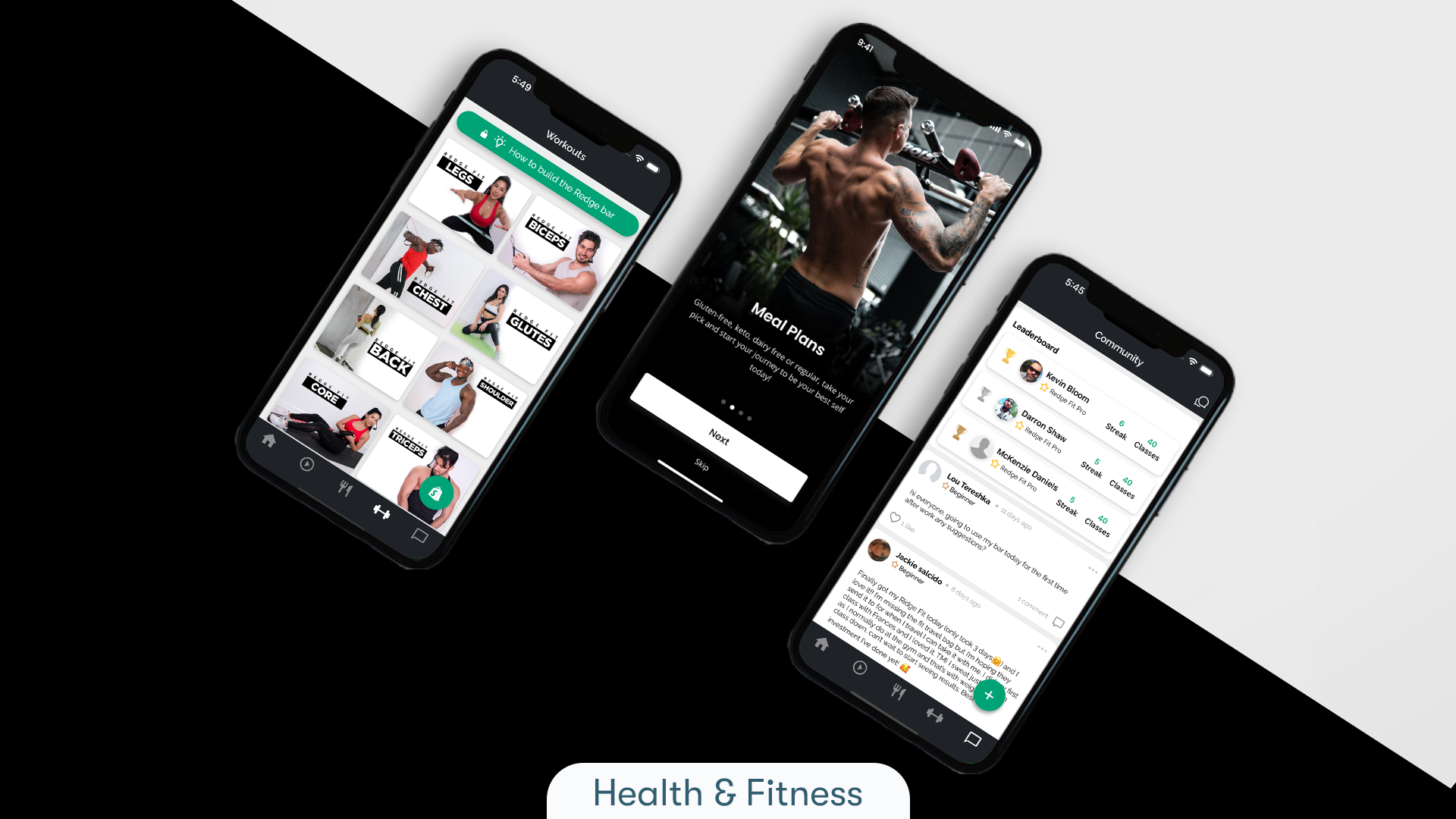
Over the past few years, Nordstone has helped multiple startups navigate this shift. One example is TapFit, an AI-powered fitness platform built with personalised training intelligence at its core.
Why AI-First Apps Are Growing
AI has shifted from being a “nice-to-have feature” to a core product capability.
Several factors are driving this change:
1. AI APIs have become accessible
Platforms from companies like OpenAI, Google, and Amazon Web Services have made it possible for startups to integrate advanced AI models without building them from scratch.
This dramatically reduces time to market.
2. Personalisation has become a user expectation
Users now expect apps to:
- Learn from their behaviour
- Provide personalised recommendations
- Adapt experiences dynamically
AI enables apps to move from static interfaces to adaptive experiences.
3. AI dramatically increases product defensibility
Traditional apps can often be replicated quickly.
AI-powered apps, however, improve over time as they collect more data, creating strong competitive advantages.
Case Study: TapFit — Building an AI Fitness Platform
One of the projects Nordstone helped deliver was TapFit, a mobile fitness platform designed around personalised training.
The challenge
The founders wanted an app that could:
- Personalise workouts
- Adapt training intensity
- Recommend routines based on user behaviour
- Improve suggestions over time
This required AI-driven recommendation systems, not static workout plans.
How the AI system worked
The architecture included:
- Behaviour tracking (workouts completed, intensity, duration)
• Personal fitness goals
• Historical workout data
• Recommendation algorithms
The AI model analysed user behaviour to dynamically suggest the next optimal workout.
Product outcome
Instead of giving users a fixed plan, the app continuously adapted.
For example:
- If a user skipped workouts → recommendations adjusted
- If performance improved → difficulty increased
- If engagement dropped → alternative workout styles appeared
This made the app feel intelligent rather than static, significantly improving retention.
Key AI Features Startups Are Building
Across industries, startups are integrating similar AI capabilities into their mobile products.
1. Personalised recommendations
Used in:
- Fitness apps
- Finance apps
- E-commerce platforms
- Health monitoring products
AI analyses behaviour patterns to deliver tailored suggestions.
2. AI assistants inside apps
Many startups now embed conversational interfaces powered by models similar to those used in ChatGPT.
Examples include:
- AI financial advisors
- Customer support assistants
- Health guidance bots
- Learning companions
These assistants provide real-time contextual support inside apps.
3. Predictive analytics
AI models analyse historical behaviour to predict future actions.
Common examples include:
- Predicting user churn
- Forecasting spending habits
- Detecting health risks
- Anticipating product demand
4. Intelligent automation
AI is also used to automate decisions such as:
- Fraud detection
- Content moderation
- Dynamic pricing
- Risk scoring
Technology Stacks Used by AI App Startups
Building AI-powered apps requires combining mobile development frameworks with machine learning infrastructure.
A typical modern AI app stack includes:
Mobile frontend
- Swift / SwiftUI (iOS)
- Kotlin (Android)
- React Native or Flutter for cross-platform apps
Backend infrastructure
Most AI apps rely on scalable cloud environments like:
- Amazon Web Services
- Google Cloud
- Microsoft Azure
These platforms provide compute, storage, and AI services.
AI model integration
Startups typically use one of two approaches:
- API-based models
Using APIs from providers such as:
- OpenAI
- Anthropic
This allows rapid AI deployment.
- Custom machine learning models
More advanced startups train their own models using frameworks like:
- TensorFlow
- PyTorch
This approach offers greater control but requires more data and infrastructure.
Data Requirements for AI Mobile Apps
AI systems rely heavily on data.
Most successful AI apps collect and process:
Behavioural data
- User interactions
- Feature usage
- Session duration
- Engagement metrics
Contextual data
- Location
- Time of usage
- Device information
- Environmental factors
Historical data
The longer an app collects data, the better the AI performs.
This is why AI products improve over time.
Infrastructure Challenges Startups Face
Many founders underestimate the infrastructure required for AI apps.
Common challenges include:
Data pipelines
AI requires reliable systems to collect, process, and store data.
Without strong pipelines, models cannot learn effectively.
Model performance
AI models must be optimised to ensure:
- Low latency
- High reliability
- Accurate predictions
This is especially important for real-time mobile experiences.
Scaling compute costs
As user bases grow, AI processing costs can increase rapidly.
Infrastructure must be designed to scale efficiently.
Lessons from Successful AI Startups
Based on Nordstone’s work with early-stage companies, several patterns consistently appear.
Start with an AI MVP
Startups should validate the core AI feature before building complex systems.
Focus on one intelligent feature
Successful AI apps typically begin with one powerful AI capability rather than multiple experimental features.
Data strategy is critical
Without a clear data strategy, AI products struggle to improve.
Startups should plan how data will be collected and used from day one.
Infrastructure must scale gradually
Building expensive AI infrastructure too early can drain startup resources.
Instead, founders should scale AI capabilities as the product grows.
FAQs: Building AI-Powered Mobile Apps
How long does it take to build an AI-powered mobile app?
Most AI mobile apps take 4–9 months to build depending on complexity.
An AI MVP can sometimes launch within 3–4 months if existing AI APIs are used.
Do startups need their own AI models?
Not always.
Many startups launch AI features using APIs from providers like OpenAI or Google.
Custom models are usually developed later when scale justifies the investment.
What industries benefit most from AI mobile apps?
AI apps are rapidly growing in industries such as:
- Fintech
- Healthcare
- Fitness
- E-commerce
- Education
- Productivity tools
What is the biggest challenge when building AI apps?
The biggest challenges typically involve:
- Data availability
- Infrastructure complexity
- AI model accuracy
- Scaling costs
Startups that plan for these challenges early tend to succeed.
How do AI apps improve over time?
AI systems learn from user data.
As more users interact with the app, models receive more training data, which improves prediction accuracy and personalisation.